

-
.
Displaying items by tag: media training course
Thursday, 05 February 2026 09:52
Media Training: Why the Camera Is Your Friend
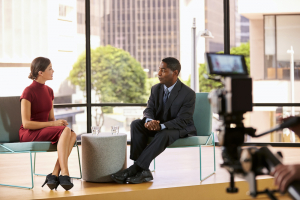
For many people, the camera feels intimidating. It is silent, unblinking and seemingly unforgiving. But one of the most powerful mindset shifts in media training is this: the camera is your friend.
Think of the camera as a person. Not a piece of equipment. On the other side of the lens is a viewer sitting at home, often alone, choosing to give you their attention. When you speak to the camera as if you are speaking to one individual, your delivery softens and becomes more natural.
The camera magnifies energy. Forced enthusiasm looks exaggerated. Anxiety looks amplified. But calm, conversational communication translates beautifully.
Media training helps you become comfortable with this relationship. You learn where to look, how to manage your body language and how to use facial expression intentionally. You discover that small movements have impact and that subtlety often works better than theatricality.
When you stop treating the camera as a judge and start treating it as a conduit to one real human being, everything shifts. Your tone becomes more authentic. Your pace becomes more measured. Your message becomes clearer.
The lens is not your enemy. It is simply the bridge between you and your audience.
Published in
News
Tagged under
Thursday, 05 February 2026 09:23
Media Training for Entrepreneurs and Growing Brands
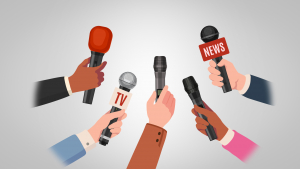
Entrepreneurs are often the face of their brand. When media attention comes, it is personal. Media training gives founders the confidence to step forward rather than shy away from press opportunities.
Startups operate in competitive markets. Clear communication can differentiate you from others offering similar services. Media training helps you articulate your story in a compelling way.
Investors, journalists and customers all respond to clarity. Rambling explanations dilute impact. Focused messaging builds authority. Through training, entrepreneurs learn how to simplify their narrative without losing depth.
Handling challenging questions about growth, funding or setbacks requires composure. Media training prepares you for scrutiny so that you respond with transparency and confidence rather than defensiveness.
Strong media performance can accelerate brand growth. Poor performance can undermine trust. Preparation is not a luxury. It is a necessity for ambitious businesses.
Published in
News
Tagged under
Tuesday, 13 January 2026 10:23
Media Training Tips for Clear and Memorable Messages

Clear messaging is at the heart of effective media training. One of the most valuable tips is limiting messages. Media training encourages spokespeople to focus on one or two core points rather than trying to say everything.
Soundbite creation is another key media training technique. Short, clear phrases are more likely to be quoted and remembered. Media training teaches how to speak in complete, concise thoughts.
Media training also addresses language choice. Avoiding jargon and complex explanations makes interviews accessible to wider audiences.
Repetition is encouraged during media training. Repeating key messages using varied phrasing increases the likelihood that they will appear in coverage.
The Presenter Studio’s media training ensures spokespeople communicate clearly and memorably across all media platforms.
Published in
News
Tagged under
Tuesday, 13 January 2026 10:22
Media Training Techniques for On-Camera Confidence
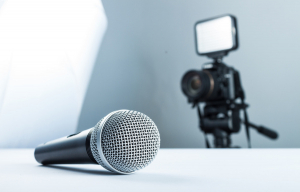
On-camera interviews can feel intimidating without media training. One of the first techniques taught is posture awareness. Sitting or standing upright improves breathing, voice strength, and perceived authority.
Eye focus is another important media training technique. Learning where to look during interviews helps spokespeople appear confident and engaged. Media training removes uncertainty around cameras, lights, and interview formats.
Media training also focuses on facial expression. Neutral expressions can appear disengaged on camera, while excessive movement can distract. Controlled, natural expression improves credibility.
Voice control is a key part of media training. Speaking slightly slower and with clear articulation ensures messages are understood and usable for broadcast.
The Presenter Studio’s media training helps individuals feel comfortable and confident in front of the camera.
Published in
News
Tagged under
Tuesday, 13 January 2026 10:19
Media Training Tips for Handling Tough Interview Questions
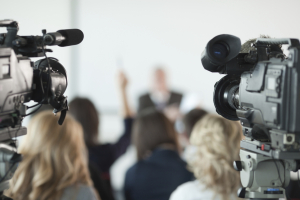
Media training teaches practical techniques for handling challenging interview questions. One of the most important media training tips is learning how to bridge. Bridging allows a spokesperson to briefly acknowledge a question before redirecting to a key message.
Another essential media training technique is message repetition. Journalists often ask similar questions in different ways. Media training teaches spokespeople to deliver consistent answers without sounding rehearsed.
Media training also emphasises staying calm under pressure. Short pauses before responding help prevent defensive or rushed answers. Silence can be a powerful tool in controlling interview pace.
Preparation is a core media training strategy. Anticipating difficult questions and practising responses improves confidence and accuracy. Media training helps spokespeople prepare without memorising scripts.
The Presenter Studio’s media training focuses on helping individuals stay composed, credible, and in control during interviews.
Published in
News
Tagged under
Tuesday, 13 January 2026 09:52
What to Expect from Professional Media Training
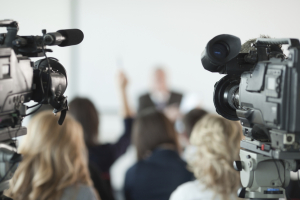
Professional media training is designed to prepare individuals for real interview situations, not scripted performances. A high-quality media training programme focuses on practical skills that can be applied immediately when facing journalists, cameras, or live audiences.
Media training typically begins with understanding how the media works. Participants learn why journalists ask certain questions, how stories are shaped, and what makes an interview usable from a media perspective. This insight helps reduce fear and replace it with strategic awareness.
A core element of media training is message development. Participants work on creating clear, concise messages that align with their goals and audience expectations. Media training teaches how to deliver these messages naturally, even when questions are challenging or off-topic.
Practice is a key part of effective media training. Participants take part in realistic interview simulations that replicate television, radio, and online formats. These sessions allow individuals to experiment with techniques, receive feedback, and build confidence in a controlled environment.
Media training also covers difficult scenarios such as hostile interviews, crisis situations, and misquotation risks. Learning how to respond calmly and accurately under pressure is essential for maintaining credibility and trust.
Professional media training gives individuals the confidence to handle interviews with clarity and control. Rather than fearing media exposure, trained spokespeople are able to use interviews as opportunities to communicate effectively and strengthen their public profile.
Published in
News
Tagged under
Tuesday, 13 January 2026 09:50
Why Media Training Is Essential for Business Leaders
Media training is a critical skill for business leaders who represent their organisation in public. Executives are increasingly expected to speak to journalists, stakeholders, and audiences during moments of opportunity and crisis. Media training equips leaders with the tools to communicate clearly while protecting both personal and corporate reputation.
Without media training, even experienced leaders can struggle in interviews. Journalists often ask direct or provocative questions designed to generate strong headlines. Media training teaches leaders how to stay calm, avoid common pitfalls, and guide interviews back to key messages without appearing evasive.
One of the main benefits of media training is message discipline. Business leaders learn how to define clear messages and repeat them consistently, regardless of how questions are framed. This ensures that interviews support strategic objectives rather than creating confusion or risk.
Media training also improves on-camera presence. Leaders learn how body language, tone of voice, and facial expression influence audience perception. Small adjustments can significantly improve credibility and authority, especially in television or online video interviews.
In times of crisis, media training becomes even more valuable. Leaders who have received media training are better prepared to respond quickly, accurately, and empathetically. This can help maintain trust and reduce reputational damage during sensitive situations.
For any leader operating in a public-facing role, media training is not optional. It is a professional skill that supports effective leadership, strong communication, and long-term organisational success.
Published in
News
Tuesday, 13 January 2026 09:47
Media Training for Confident and Credible Spokespeople

Media training is essential for anyone who may be interviewed by journalists, appear on camera, or speak on behalf of an organisation. In today’s fast-moving media environment, interviews can shape public perception within minutes. Professional media training helps individuals communicate clearly, stay on message, and protect their reputation under pressure.
Effective media training focuses on more than just what to say. It teaches how to say it with confidence, credibility, and control. Participants learn how journalists think, how interviews are structured, and how questions are designed to extract strong headlines. With the right media training, spokespeople are better prepared to respond clearly, even when questions are challenging or unexpected.
Media interviews can feel intimidating, particularly when cameras, microphones, or live broadcasts are involved. Media training helps reduce anxiety by replacing uncertainty with practical techniques. These include message development, bridging techniques, and methods for delivering clear soundbites that are accurate and engaging.
Modern media training also addresses digital and social media. Interviews are no longer limited to traditional television or radio. Online news platforms, podcasts, and social clips mean comments can be shared widely and quickly. Media training prepares spokespeople to communicate consistently across all channels while maintaining professionalism and authenticity.
Whether you are a business leader, expert, or public-facing professional, media training builds confidence and protects your credibility. Strong media performance is not about being perfect. It is about being prepared, clear, and trustworthy in every interaction with the media.
Published in
News
Tagged under
Monday, 13 October 2025 21:21
Media Training for Business Leaders: How to Shine on Camera and Off
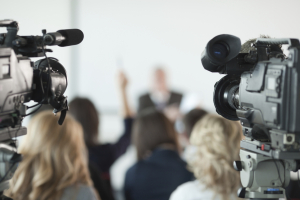
Media exposure is no longer the reserve of celebrities; business leaders must communicate effectively to shape perception and drive results.
Media training equips leaders to protect their brand, enhance credibility, and present with confidence in both public and virtual settings.
Key skills include handling difficult questions, speaking concisely and clearly, engaging audiences through storytelling, and mastering non-verbal communication.
Leaders should practice key messages, maintain eye contact with interviewers, and ensure that their delivery reflects both authority and authenticity.
With the right training, executives can navigate interviews, presentations, and on-camera appearances with confidence.
The Presenter Studio offers media training specifically designed for business leaders to build credibility and presence in all communication settings.
Published in
News
Tagged under
Thursday, 18 September 2025 08:16
Why Media Training is Essential for Professionals
In today’s fast-paced media landscape, knowing how to communicate effectively on camera or in interviews is more important than ever. Whether you’re a business leader, spokesperson, or expert in your field, your ability to handle the media can shape your reputation.
Media training helps you master key skills, such as controlling your message, handling difficult questions, and speaking with confidence under pressure. It also teaches you how to look natural on camera and use body language to reinforce your words.
Without proper preparation, even the most knowledgeable professionals can appear nervous, evasive, or unconvincing. That’s why organisations invest in media training to protect their brand and ensure their people make a strong impression.
For more information on professional training, visit: https://www.presenterstudio.com/business-presenter-training/media-training
Published in
News
Tagged under